Track the right goal
One clear conversion, measured properly.
A practical guide to CRO: the process, the research, the levers that matter and the mistakes to avoid.


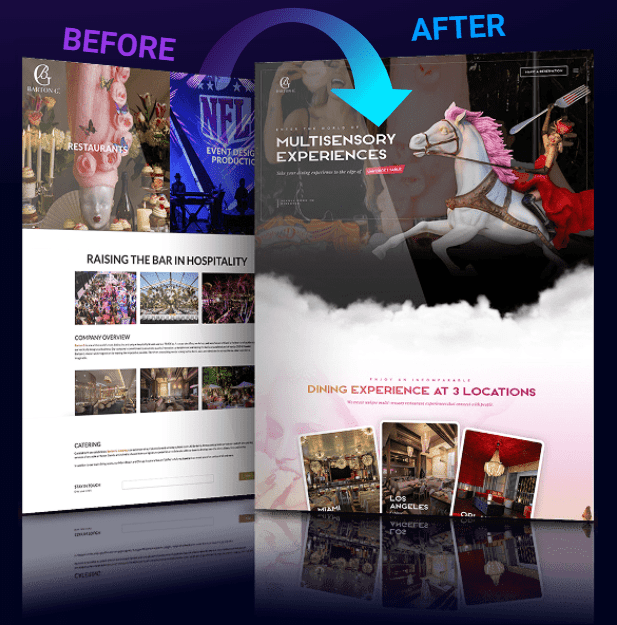
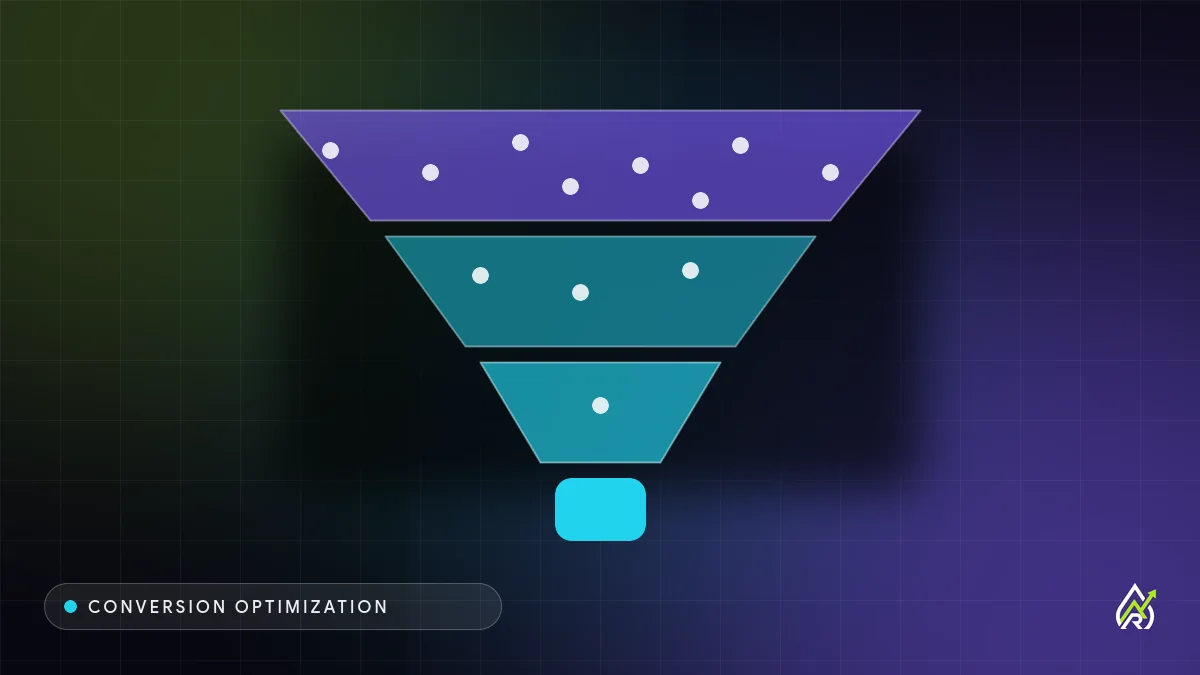
Conversion rate optimization, or CRO, is the practice of increasing the share of visitors who take a valuable action, such as buying, booking or enquiring. Your conversion rate is simply conversions divided by visitors, for a page, a channel or the whole site. CRO is about getting more from the traffic you already have, which is usually cheaper than buying more.
If a page converts one in fifty visitors, doubling the traffic doubles the cost as well. Improving the page lifts results from every visitor you already pay for. The two work together: traffic brings the audience, CRO makes the audience count.
Numbers tell you where the problem is. People tell you why. Use analytics to see which pages and devices lose visitors, then use session recordings, heatmaps, on-page surveys and support questions to understand the reasons. Either alone can mislead.
If a form is broken or a page is confusing, fix it. Testing is for choosing between reasonable options, not for finding out that something obviously broken is broken.
Set up conversion tracking if you have not, find your three highest-traffic pages with the lowest conversion and review them on a phone. Fix the obvious problems, then pick one hypothesis to test.
Conversion rate equals the number of conversions divided by the number of visitors, multiplied by 100. If 2,000 people visit a page and 60 of them submit an enquiry, the conversion rate is 3 percent. Calculate it for the whole site, for individual pages, for each traffic source and for each device. Averages hide a lot: a healthy overall rate may conceal a poor mobile experience or a weak page that receives paid traffic.
Decide what counts as a conversion. It may be a purchase, but it might also be a booking, a call, a quote request or a newsletter sign-up. If you have both major and minor conversions, track them separately so that you do not confuse a low-value action with a sale.
Tell us about your business and we will suggest a simple, honest plan. Free consultation, no obligation.
Get a free consultationBefore optimising anything, check your measurement. Confirm that form submissions, purchases and phone clicks are recorded once, not twice or not at all. Test the process yourself and see whether it appears in your analytics. Exclude internal traffic, use consistent campaign tagging and check that your cookie banner is not accidentally blocking key events. Bad data leads to confident but wrong decisions, and fixing it is often the single most valuable CRO task.
A visitor's decision is shaped long before they reach the page you are optimising. The ad or search result sets expectations; the landing page confirms or breaks them; the form, checkout or booking flow either respects their time or tests their patience; and the follow-up emails or calls shape whether they stay. Map the journey from first click to first payment, and look for steps where people leave or hesitate. Small improvements at several points often beat one heroic change.
You will have more ideas than time. Score each on three questions: how likely is it to affect the main goal, how confident are you based on evidence and how easy is it to implement. Multiply or add the scores, start with the highest and revisit the list after each result. Frameworks such as ICE and PIE formalise the same idea. Their value is not the maths; it is the discipline of choosing deliberately rather than chasing the latest opinion.
Not every site has enough visitors for split tests. If yours has a few hundred visits a month, focus on evidence and judgement instead. Use customer interviews, support questions and reviews to learn what people care about. Improve clarity, trust and friction based on best practice, then compare results month to month while watching for seasonal changes. Sequential changes with careful notes are less rigorous than experiments, but they still improve results when done sensibly.
A specialist is worth considering when your traffic is meaningful, your budget for acquisition is high or you lack in-house analytics skills. Good practitioners start with research and measurement, present clear hypotheses, explain trade-offs and report results with honest caveats. Be wary of anyone who promises specific percentage lifts or who wants to redesign everything before understanding your current data. Make sure you retain ownership of your analytics accounts and testing setup.
Some of the best CRO insight costs nothing. Add a one-question survey to key pages, such as "What almost stopped you from contacting us today?" or "What were you hoping to find here?". Send a short email to recent customers asking why they chose you and what nearly put them off. Read support tickets and sales notes for repeated questions. The exact words people use are valuable copy: mirror them in headlines, FAQs and calls to action. Patterns in these answers often point to the objections and missing information that hold conversion back.
Test your top pages on a real phone, on a mobile connection, at the end of a busy day. Can you find the main action without pinching or scrolling excessively? Do buttons respond quickly? Does the keyboard cover form fields? Is the phone number tappable? Do popups block the content? Many businesses design on large screens and discover on their analytics that mobile visitors convert at a fraction of the desktop rate. Fixing the mobile journey is often the single biggest CRO opportunity.
Conversion rates change with seasons, promotions and news. Compare like with like: this week with the same week last year, or a change with a control group when possible. Avoid judging a change on a period that included a holiday, a big sale or an ad campaign that changed the audience. Record any unusual events alongside your results so that you and others can interpret them correctly later.
Keep reports short and honest. State the goal, the change, the period, the numbers and what you learned, including inconclusive outcomes. Include the cost and effort, since a small win that took weeks may be less valuable than a modest one that took an hour. Recommend the next step and ask for decisions where needed. Clear reporting builds trust, keeps CRO on the agenda and helps everyone see the value of steady, evidence-based improvement.
Rainmaker Art can plan, build and manage it with you. Send a few details and we will reply with clear next steps.
Get a free consultationOne clear conversion, measured properly.
Analytics for where, recordings and surveys for why.
Impact, confidence and effort.
A/B tests where traffic allows.
So learning compounds over time.
It varies widely by industry, offer and traffic source, so compare against your own past performance first. Improving your own baseline matters more than matching an average.
Some fixes, such as repairing a broken form, help immediately. Tests usually need a few weeks to reach a reliable result, and the bigger gains come from steady, repeated improvement.
Analytics and a heatmap or recording tool are enough to start. Add a testing tool once you have enough traffic to run reliable experiments.
Send us your site and we will point out the biggest conversion leaks and how we would fix them. No pressure, no jargon.